Manyao Meaning: What Is 慢摇 Music?
Manyao (慢摇) literally means "slow shake". In Malaysian and Singaporean club music, it refers to Mandarin and Cantonese pop vocals remixed over a melodic dance beat. The familiar vocal hook leads the track; the name does not mean that every manyao remix has a slow tempo.
If you have heard a Mandopop ballad rebuilt for a Kuala Lumpur club or KTV room, with the crowd singing along over the beat, you have heard the appeal of manyao. This guide explains the name, how the music sounds, and what to listen for when choosing an edit.
What does manyao mean?
The characters 慢摇 translate literally as "slow shake". The name is usually explained as a holdover from slower, sentimental early Chinese-pop edits, though accounts differ; one Chinese write-up traces 慢摇 to a translation of "downtempo". The modern Southeast Asian club version has pushed the tempo up well past anything "slow", but the label and, more importantly, the vocal-led character survived the change. Manyao is defined by its source material and its feel, not its literal speed.
RateYourMusic files manyao under Electronic Dance Music and describes it as Asian dance music that mixes vocals and melodies from Mandopop with fairly hard, melodic EDM, taking influence from classic Eurodance, Trance, and House. That is the key distinction to hold onto: manyao is a pop-remix style, not a bounce subgenre. The bounce elements sometimes appear mixed in, but the identity is the Chinese-language vocal hook.
Where did manyao come from?
The Southeast Asian scene term surfaced around mid-2017, according to Singapore's DJ Dash, speaking to Bandwagon in 2018; before that, he said, the same music was called Canto or Chinese remixes. The deeper roots go back further, to turn-of-the-century Hong Kong Cantopop trance and rave edits that migrated to mainland China and reappeared as Mandopop-plus-EDM remixes. The through-line across two decades is the same instinct: take a song the whole room already loves and rebuild it for the dancefloor.
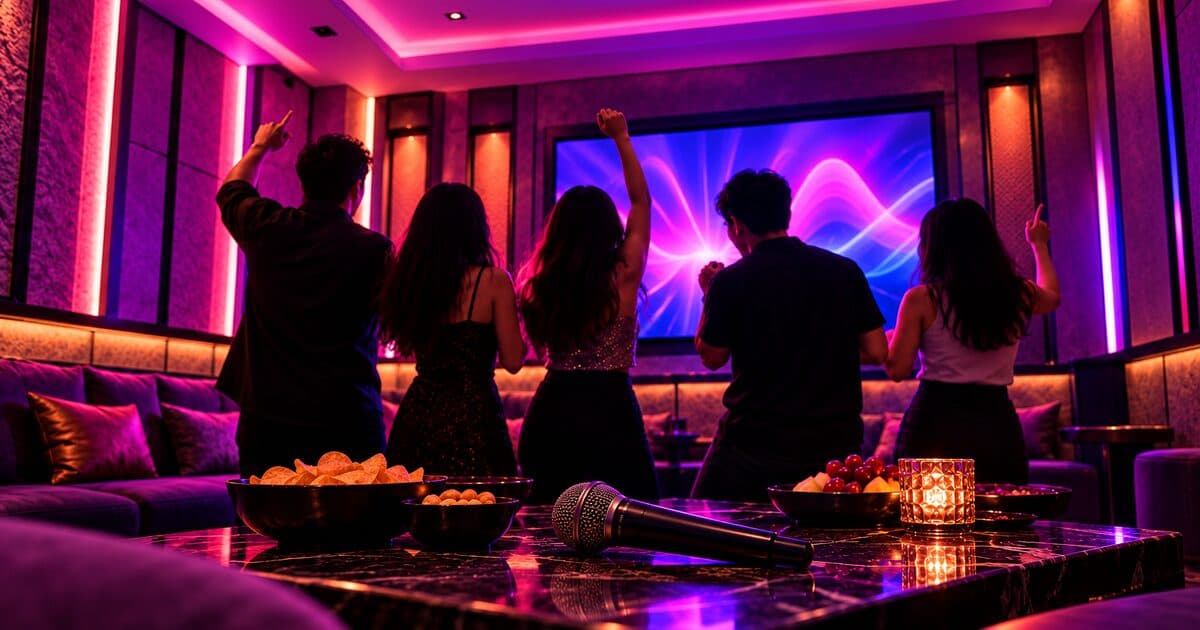
What changed in the last several years is the venue. Manyao was long associated with KTV and karaoke lounges, the VIP rooms where familiar vocals matter most. It has since moved into mainstream clubs, and in bigger rooms DJs tend to weave it through a set alongside other sounds rather than running it all night. That crossover is why manyao now sits at the center of the Southeast Asian club-genre conversation.
What BPM is manyao?
Tempo is the tricky part. The name means "slow shake", and the older mainland Chinese edits were slower. The modern Southeast Asian club form, by contrast, is pushed to a fast, hard 4/4 that can approach 150 BPM. Because the tag spans both the slower karaoke edits and the faster club remixes, there is no single reliable BPM for manyao. Read each track rather than assuming a range, and confirm the tempo before you beatmatch.
How DJs use manyao in a set
The whole appeal is recognition, so the practical advice is to cue and mix around the vocal phrase rather than the kick. The sung line is what lands the moment; if you bury it under a clashing topline or cut it off mid-phrase, you lose the reason the track works. Manyao pairs naturally with Vinahouse and the Southeast Asian bounce family in a nonstop set, and it makes an effective reset after a harder, more physical run when a room wants to sing rather than pound.
How to hear the difference
Start with the vocal, then listen to what the remix does around it. In a vocal-led manyao edit, the familiar Chinese-pop melody remains the focal point even when the drums get harder. Compare that with a Vinahouse edit by listening to the kick, bass pattern and drop: does the groove carry the section, or does the sung phrase lead it? Both styles can use recognizable vocals, so language or tempo alone is not a reliable test.
Manyao also differs from the original Mandopop recording. Listen for a rebuilt dance rhythm, changed arrangement and a transition from the vocal passage into a club drop. A fast Mandarin song is not automatically a manyao remix. Genre labels overlap, so use these listening cues to understand the edit rather than treating the label as a strict rule.
A manyao crate checklist
Before choosing an edit for a set:
- Find the full vocal phrase. Note where the line starts and resolves; plan the transition so the next vocal does not interrupt it.
- Check the actual tempo. Use the listing as a starting point, then verify the beatgrid in your DJ software when preparing the file. The name “slow shake” does not tell you its speed.
- Listen beyond the hook. Where the preview allows, check the intro, breakdown and drop. A short preview may not establish whether there is a clean mix-out.
- Compare the energy. Audition the next track at a similar listening level. A matching BPM does not guarantee a smooth change in bass weight or vocal intensity.
- Check the version. Confirm whether the listing is a single edit, a stem pack or a DJ set, and whether its arrangement suits the transition you need.
For a fuller comparison of how manyao sits against the bounce styles it shares floors with, see our guide to the Southeast Asian bounce family. For the direct comparison with Vinahouse, read manyao vs Vinahouse.
Ready to go deeper? Mandopop vs manyao walks through what changes when a pop ballad is rebuilt for the club, the producer's guide to making manyao covers the rebuild process, and our 2026 manyao selection guide helps you think through a crate. 中文读者可读中文指南:慢摇是什么?
Start with the Manyao catalogue, then compare the Manyao chart by all-time MixGrid purchases, average rating or recent uploads. Availability and metadata vary by listing; a chart position helps you browse, but your listening check decides whether an edit fits the set.
Find manyao and Chinese Bounce edits on MixGrid →
Frequently asked questions
What is manyao?
Manyao (慢摇) is an Asian electronic dance style that remixes vocals and melodies from Mandopop, and originally Cantopop, over fairly hard, melodic EDM, drawing on classic Eurodance, Trance, and House. It is hugely popular in Malaysian and Singaporean nightlife, built around instantly recognizable pop hooks rather than kick-drum aggression, and it has moved from KTV karaoke lounges into mainstream clubs across the region.
What does manyao mean?
慢摇 literally translates as "slow shake". The name is usually traced to slower, sentimental early Chinese-pop edits, though accounts differ. In its modern Southeast Asian club form the tempo has been pushed up considerably, but the label and the vocal-led, singalong-driven character stuck.
Is manyao the same as Vinahouse?
No. Manyao is a Chinese-language pop-remix style built on Mandopop and Cantopop vocal hooks, while Vinahouse is Vietnamese house built around a driving kick and loud bass. They share tempo and floors but do different jobs, recognition versus drive. Our manyao vs Vinahouse guide covers the full comparison, how to hear the difference, and how to mix between them.
When did manyao start?
The Southeast Asian scene term surfaced around mid-2017, though the underlying Greater-China style traces back to turn-of-the-century Hong Kong Cantopop trance and rave edits that later migrated to mainland China as Mandopop-plus-EDM remixes.
Related reading
Take Your DJ Sets Further
Browse remixes, edits and originals for Southeast Asian club sets, from independent DJs and producers.
Explore MixGrid →